Clinical Pilates vs. Gym Pilates: What’s Best for Rehabilitation?
If you’ve been recovering from an injury or managing chronic pain, your health provider may have suggested Pilates. But not all Pilates is created equal. In fact, with the rise in popularity of Pilates, every man and his dog has their own style!
While both Clinical Pilates and gym-based Pilates offer benefits for strength, flexibility, and core control, the type you choose can significantly impact your recovery.
In this article, we’ll break down the key differences between Clinical Pilates and gym Pilates, and explain why Clinical Pilates is the safer, more effective choice for injury rehabilitation, especially for professionals working in high-demand environments like Sydney’s CBD.
What Is Clinical Pilates?
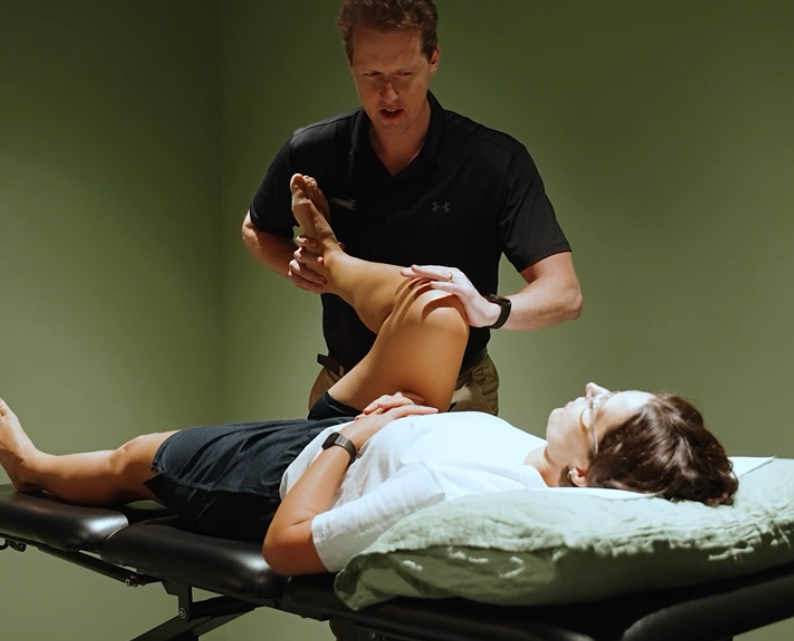
Clinical Pilates is a personalised, clinically-informed form of Pilates that focuses on restoring optimal movement, reducing pain, and preventing future injury. It’s designed for people with specific physical issues, like lower back pain, post-surgical rehabilitation, joint instability, or just postural dysfunction and pain.
Sessions are typically delivered one-on-one or in small groups by qualified clinical rehab-trained instructors. Exercises are carefully selected based on a thorough clinical assessment, and adjusted over time as your function improves.
What Is Gym Pilates?
Gym Pilates is a more general form of Pilates that is often delivered in large group settings at fitness centres, gyms, or boutique studios. You’ll typically have much larger classes where everyone in the room is completing the same series of exercises. These classes usually follow a set format and are led by fitness professionals or instructors certified in Pilates but not necessarily trained in injury management or rehabilitation.
While gym Pilates can improve general fitness, flexibility, and core strength, it’s not designed to accommodate individual injuries or post-surgical needs.
Key Differences: Clinical Pilates vs. Gym Pilates
| Feature | Clinical Pilates | Gym Pilates |
|---|---|---|
| Instructor qualifications | Physiotherapists or Clinical Pilates instructors | Fitness instructors or Pilates teachers |
| Personalisation | Individualised programs | One-size-fits-all group classes |
| Injury safety | Designed for recovery and prevention | May aggravate injuries if poorly managed |
| Assessment | Throughout the sessions | Typically no individual assessment |
| Insurance rebates | Variable depending on health fund | Generally not claimable |
| Equipment use | Reformer, wunda chair, small equipment and other physio tools | Mat or Reformer Reformer apparatus |
Why Clinical Pilates Is Better for Injury Rehabilitation
If you’re dealing with an injury, surgery recovery, or persistent aches and pains that just keep coming back, Clinical Pilates is the gold standard. Here’s why:
1. Clinically InformedCare
Clinical Pilates is delivered by a Clinical Pilates Instructor or physiotherapist who understands your medical history, injury, and limitations. This expertise ensures that every movement supports your recovery, rather than risking re-injury.
2. Targeted, Progressive Programming
You won’t be doing the same exercises as everyone else. Your sessions will be built around your condition, whether it’s disc-related back pain, shoulder instability, post-op knee rehab, or pelvic dysfunction, and evolve as you regain function.
3. Safe Reformer Use
While gym Pilates often focuses on high-rep sequences or generic flow-based routines, Clinical Pilates uses the Reformer and other equipment in therapeutic ways to support and challenge your body based on its current state.
Risks of Doing Gym Pilates During Injury Rehab
While gym Pilates has its place for general fitness, it can pose risks if used during or immediately after injury:
- Lack of individual attention: Instructors may not be aware of your limitations or medical background.
- Inappropriate movements: Group classes may include exercises that aren’t safe for your condition.
- No progress tracking: Without assessment and reassessment, it’s difficult to know if you’re improving—or going backward.
For those returning to exercise after injury, what feels good in the moment might not be helping in the long term. That’s why expert oversight matters.
Choosing the Right Pilates in Sydney CBD
At City Physio & Pilates, our Clinical Pilates programs are specifically designed for office workers, weekend athletes, post-surgical patients, and anyone managing chronic pain. We blend physiotherapy expertise with Reformer-based programming to create evidence-informed, movement-focused rehab, all in the heart of Sydney CBD.
Whether you’ve just come off crutches, are returning to sport, or trying to get back to pain-free sitting at your desk, our team tailors each session to your recovery timeline.
Final Thoughts
So… Clinical Pilates or gym Pilates: what’s best for rehabilitation? If you’re injured, in pain, or just unsure about how to move safely, Clinical Pilates is the clear choice. Its physiotherapy foundation, personalised programming, and focus on injury prevention make it a powerful tool for long-term recovery.
If you’re working in the Sydney CBD and looking to return to full function with confidence, let our expert team guide you.
Book a Clinical Pilates small group class at City Physio & Pilates today and take the first step towards a stronger, safer recovery.