
Knee Joint Injuries – Physiotherapy Diagnosis & Treatment at City Physio, Sydney CBD
Are you struggling with knee pain, swelling, catching, or a feeling of instability? You might be experiencing a knee joint injury—something we see and treat frequently at City Physio & Pilates in the heart of the Sydney CBD.
Whether your pain appeared suddenly after a twist or gradually built up over time, physiotherapy is your first step in getting an accurate diagnosis and tailored treatment plan.
Common Signs of a Knee Injury
You may be dealing with a knee injury if you’re experiencing:
-
Pain with squatting, going up/down stairs, or running
-
Swelling or heat around the joint
-
A feeling of the knee “giving way”
-
Clicking, locking, or catching
-
Restricted range of motion or stiffness
-
Pain when sitting for long periods
Anatomy of the Knee – Why It’s Prone to Injury
The knee joint is a complex structure made up of:
-
Four bones: the femur (thigh bone), tibia and fibula (shin bones), and patella (kneecap)
-
Ligaments: like the ACL and MCL, which provide joint stability
-
Meniscus (cartilage): acts as a cushion between the thigh and shin bones
-
Muscles and tendons: the quadriceps, hamstrings, calves, and ITB play a key role in movement and control
Because so many structures converge at the knee, accurate diagnosis is essential—and that’s where physiotherapy comes in. To be specific, that’s where an experienced Physio comes in! Knee’s come in all shapes, sizes and with variable versions of “normal”. You want a physio that has treated thousands on knees this year, so has sharp clinical reasoning, a bank of normals to refer to, and so knows within nano seconds of a test what is going wrong!
Acute Knee Injuries: Sudden Pain or Trauma
Acute injuries happen during sport, falls, or sudden twisting movements. These often include:
-
Ligament sprains and tears (e.g. ACL, MCL)
-
Meniscal injuries
-
Patella dislocations
-
Bone fractures
Symptoms may include:
-
Immediate pain and swelling
-
Feeling like the knee may “buckle”
-
Difficulty putting weight on the leg
-
A “pop” sound at the time of injury
-
Locking or catching of the joint
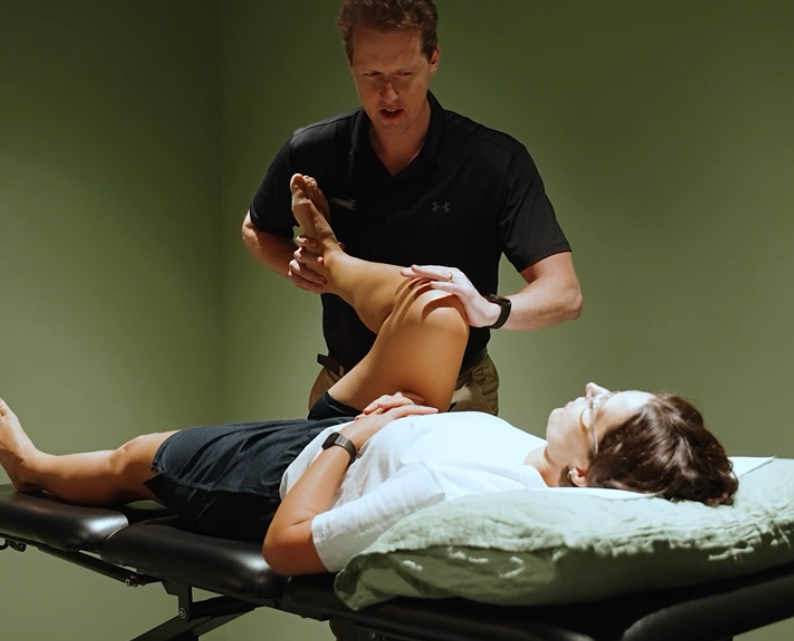
Your physiotherapist will perform a detailed biomechanical assessment, checking the integrity of each knee structure, assessing your range of motion, and identifying any instability. If needed, we will refer you for an X-ray or MRI to confirm the diagnosis. Not all knee injuries are for physio… at least not immediately! If we have concerns or even an inkling of doubt we will refer you for imaging or a specialist review. We dont have xray vision and will never pretend we do!
Overuse & Gradual-Onset Knee Pain
Knee pain doesn’t always result from a single incident. Many of our patients experience:
-
Pain that develops over weeks or months
-
Soreness after running or strength training
-
Stiffness when getting up from sitting
-
Gradual swelling after activity
Common causes of gradual-onset knee pain include:
-
Patellofemoral pain syndrome
-
Iliotibial band (ITB) friction syndrome
-
Knee bursitis
-
Tendinopathy (such as patellar or quadriceps tendinitis)
-
Early degenerative changes or knee osteoarthritis
At City Physio, our physiotherapists take the time to assess not just the knee, but also your hip, ankle, core stability, and even spinal alignment. We look at the whole kinetic chain, because sometimes knee pain originates from poor biomechanics elsewhere in the body.
Meniscus & Cartilage Injuries
The meniscus is one of the most commonly injured parts of the knee, particularly in sports that involve twisting. Tears can occur suddenly or gradually as a result of wear and tear over time.
Symptoms of meniscal damage:
-
Pain with twisting or changing direction
-
Catching, locking, or grinding sensations
-
Swelling or joint stiffness
These injuries are assessed using clinical testing during physiotherapy and may require referral for imaging. Your physiotherapist can guide you through a conservative rehabilitation program or, if necessary, liaise with your GP or orthopaedic surgeon.
Muscle-Related Knee Pain
Your quadriceps, hamstrings, and calf muscles are key to knee function. Imbalances, weakness, or poor coordination can lead to:
-
Tendon overload
-
Muscle strains
-
Tracking problems of the kneecap (patellofemoral dysfunction)
Physio treatment involves:
-
Strength training
-
Muscle re-education
-
Gait and squat analysis
-
Hands-on therapy to restore balance and reduce pain
Why Choose City Physio for Knee Pain?
At City Physio & Pilates in Martin Place, we’ve been helping Sydney CBD locals with knee injuries and joint pain for over 45 years. Our physiotherapists are experts in:
-
Detailed biomechanical assessments
-
Hands-on manual therapy
-
Exercise rehab tailored to your injury
-
Pilates-based strength work
-
Coordinated care with GPs, orthopaedic surgeons, and imaging centres
- And knowing exactly when Physio is and isnt going to be helpful!
Whether you’re dealing with a sports injury, work-related strain, or age-related knee arthritis, we’ll guide you from pain to performance with evidence-based care and a personalised plan.
Ready to Get Moving Again?
If you’re struggling with knee pain in Sydney’s CBD, don’t wait for it to get worse. Book an appointment today with one of our experienced physiotherapists and let us help you return to the activities you love… pain-free!
Book your assessment now!