Why Botox Shouldn’t Be Used Long-Term for TMJ Disorders & Masseter Pain
Botox for TMJ pain, jaw clenching and masseter tightness has become increasingly popular, especially on social media. While Botox can offer temporary relief in selected cases, it is not an ideal long-term treatment for TMJ disorders, bruxism, or masseter pain. In fact, long-term or repeated Botox injections may lead to significant risks including bone density changes, jaw instability, worsening joint laxity in hypermobile patients, and incorrectly treated pain conditions such as misdiagnosed headaches.
1. Botox may reduce bone density in the jaw
Research has shown that repeated Botox injections into the masseter can reduce the mechanical load placed on the jaw. When muscles are weakened for extended periods:
- Bone remodelling decreases
- The mandible loses supporting force
- Osteoporosis-like bone density reduction can occur in the jaw joint
This is an emerging concern especially for people using Botox every 3–4 months over several years. In fact, we no longer recommend masseter botox for longer than 12 months at this frequency! Reduced bone density is a significant concern for fracture risk!
2. Some people rely on jaw strength for stability
Many people with TMJ pain actually stabilise their jaw through strength, not weakness. We occasionally see someone with masseter hypertrophy (bulkiness) which is actually compensatory due to jaw instability. Botox reduces the activation of the masseter and temporalis muscles, which for some individuals may reduce the only support they have for:
- Chewing
- Jaw alignment
- Functional loading
- High-stress postures (e.g., speaking, grinding at night)
People with underlying joint instability, weakness, or poor TMJ mechanics may experience worsening pain after Botox because their support system is compromised, and may even have increased risk for subluxations and dislocations of the jaw joint.
3. Patients with Hypermobility or Joint Instability Are at Higher Risk
Botox is particularly risky for individuals with:
- Generalised joint hypermobility
- Ehlers-Danlos Syndromes (EDS)
- Ligamentous laxity
- A history of recurrent joint subluxation
These individuals already have unstable TMJ mechanics, often relying on muscular support. Weakening these muscles may increase:
- TMJ clicking or clunking
- Jaw shifting
- Subluxation episodes
- Worsening facial pain and headaches
For hypermobile patients, stability drills, postural retraining, strength conditioning and TMJ-focused physiotherapy are far more effective long term.
4. Incorrect diagnosis is a major problem
A large number of patients who believe they have “TMJ pain” are misdiagnosed. Common misdiagnoses include:
- Headache disorders (migraine, tension-type, cervicogenic)
- Neck-driven facial pain
- Dental alignment issues
- Trigger point referral patterns
- Airway (sleep apnea) and sleep-related bruxism
If Botox is used without proper diagnosis, patients often report:
- No improvement
- Worsening of symptoms
- Development of medication overuse headaches
- Prolonged mismanagement, increased joint derangement and increased dislocation risk
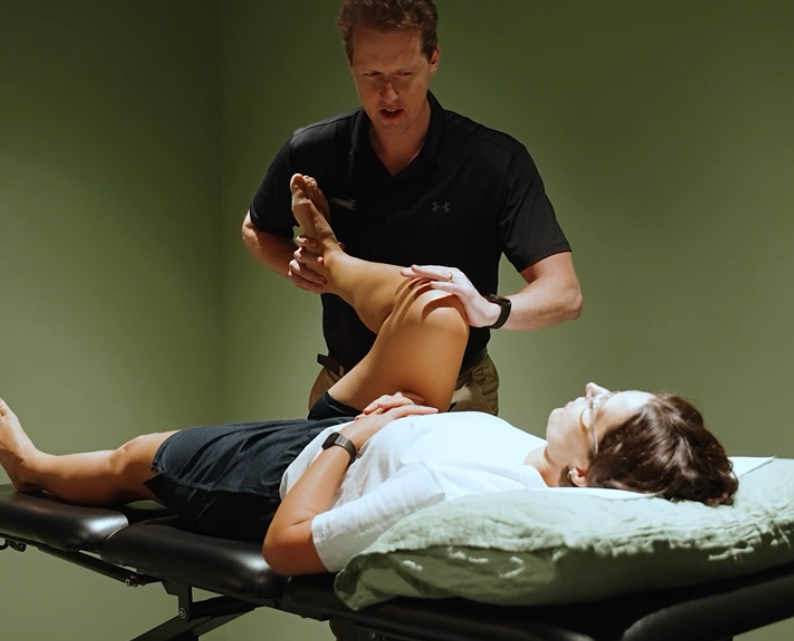
This highlights the importance of an integrated physiotherapy assessment focusing on jaw mechanics, cervical spine contributions, breathing mechanics, and stress-related behaviours.
5. Long-term solutions are movement-based, not paralysis-based
For sustainable improvement, evidence supports:
- Manual therapy for TMJ and cervical spine
- Strengthening of stabilising jaw muscles
- Posture and breath coordination training
- Stress and bruxism habit modification
- Clinical Pilates for head–neck–jaw alignment
- Dental collaboration when appropriate
These approaches address the cause rather than simply reducing muscle activity.