Physiotherapy and Pilates for Tennis Elbow – City Physio, Sydney CBD
Tennis elbow, medically known as lateral epicondylalgia (meaning pain on the outside of the elbow), is a common overuse injury involving the tendons that attach to the lateral epicondyle of the humerus. This is something we treat incredibly frequently at City Physio just due to the contributions that can be found with long hours at a desk and with using a laptop.
Tennis elbow most often affects the extensor carpi radialis brevis (ECRB) tendon, resulting in pain and functional limitations in the lateral elbow, especially during gripping or resisted wrist extension. While traditionally associated with racquet sports, this condition is prevalent among professionals engaged in repetitive upper limb tasks—such as typing, manual handling, or precision-based manual labour… or even carrying small children or pets!
At City Physio in the Sydney CBD, our approach to tennis elbow is rooted in evidence-based physiotherapy, with integrated support from Pilates rehabilitation. This dual approach addresses both the pathological (the dysfunction at the tendon locally) and biomechanical contributors to the condition (weaknesses or asymmetry in the arms, shoulders or posture), restoring optimal function and reducing recurrence risk.
Understanding the Condition of Tennis Elbow
Tennis elbow is not a typical inflammatory injury. Instead, it is a form of tendon overload that leads to gradual wear and tear in one of the main forearm tendons—specifically the extensor tendon that helps lift the wrist and fingers.
Rather than inflammation, the condition involves degenerative changes in the tendon. These include a breakdown of normal collagen structure, increased growth of small blood vessels, and an accumulation of immature repair tissue. This results in pain and a reduction in the tendon’s ability to handle load.
Tennis elbow is typically caused by repetitive strain, such as repeated gripping, lifting, typing, or using tools, especially without enough rest or recovery. This repeated stress creates small injuries in the tendon over time.
Common symptoms include:
- Pain on the outer part of the elbow, usually about 1–2 cm down the forearm from the bony point
- Discomfort or pain when lifting, gripping, or using the wrist, particularly when the elbow is straight
- Reduced grip strength, often noticed during everyday tasks like opening jars, shaking hands, or lifting objects
- Pain on resisted wrist extension, such as with a backhand at tennis
Physiotherapy as the First-Line Solution
Current best-practice guidelines recommend physiotherapy as the first choice for managing tennis elbow (lateral epicondylalgia). At City Physio, our team uses a well-rounded treatment approach that addresses both the symptoms and underlying causes. This may includes:
1. Hands-On Treatment (manual therapy)
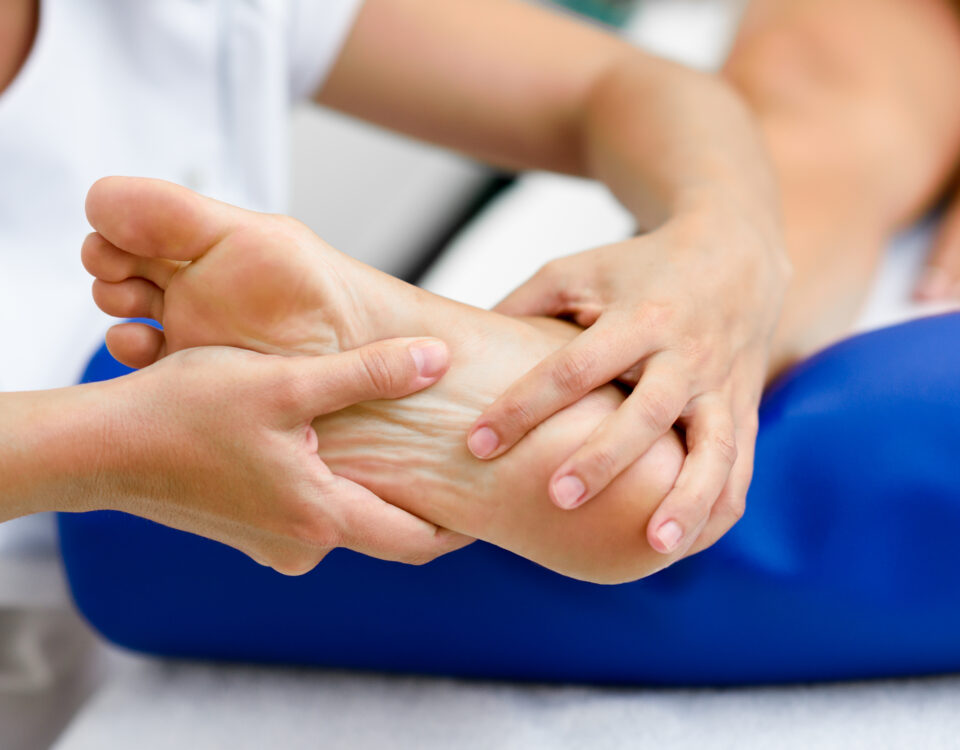
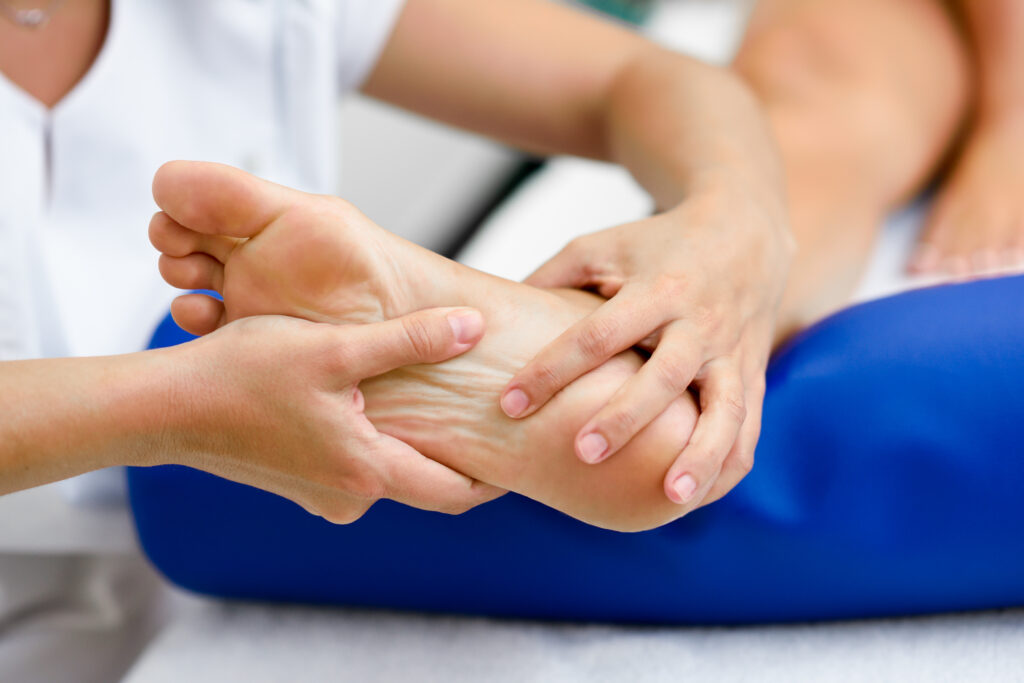
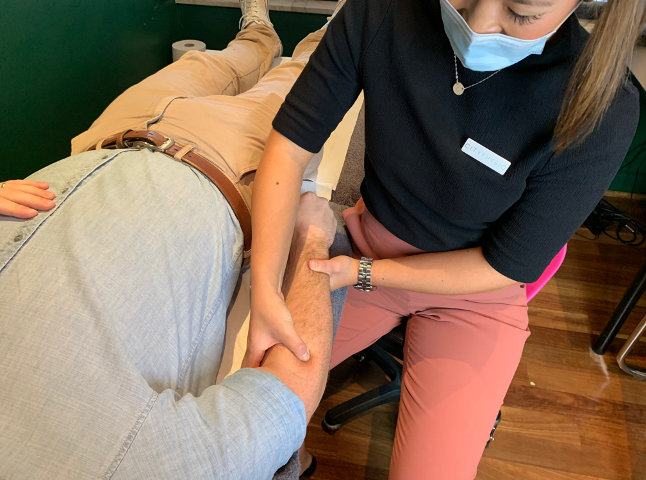
We use gentle manual techniques to release tight muscles and improve movement around the elbow, neck, wrist and upper arm. These techniques help reduce pain signals and restore normal joint movement. This can include targeted massage or tendon frictions, joint mobilisations, postural changes, taping, dry needling or stretching to the forearm and hand, and even up into the shoulder, shoulder blade and upper back as we trace through the biomechanical dysfunctions that may be present.
Targeted Exercise Programs
Research supports using specific strengthening exercises, especially ones that focus on slow, controlled movements, to help the injured tendon heal. We guide clients through a gradual exercise plan that safely builds strength and improves the tendon’s ability to handle everyday activities. These are often termed eccentric or isometric exercises, and the specific program that best suits you will be explained in detail by your physiotherapist.
Full-Body Assessment
Tennis elbow is often linked to problems in other parts of the body, such as shoulder weakness, upper back stiffness, or poor control of shoulder movements. Our detailed assessments look at how the whole body moves, helping us find and fix any issues that may be placing extra stress on the elbow. Often the elbow is the innocent victim of dysfunctional system!
Workplace Advice
The Role of Pilates in Tennis Elbow Rehabilitation
Clinical Pilates plays a complementary role in treating lateral epicondylalgia, particularly in the later stages of rehabilitation and in injury prevention. By comprehensively addressing any systemic postural or biomechanical issues. Through a guided and supervised exercise program, our Pilates team assist in decreasing the future risk of recurrence, improving control and ensuring you stick to your rehab program by addressing:
- Proximal stability: A key factor in effective upper limb function is a stable proximal base. Pilates-based exercises enhance scapulothoracic control (shoulder blade and upper back control), core stability, and postural alignment, which are often overlooked yet crucial contributors to chronic elbow loading.
- Neuromuscular re-education: Precision-based movements in Pilates assist in restoring optimal motor control patterns, particularly for those who develop compensatory habits during the painful phase of injury.
- Whole-body coordination: Especially for clients whose elbow pain has disrupted broader kinetic chain movement (e.g., golfers, climbers, or active professionals), Pilates supports reintegration of efficient, pain-free movement patterns.
- Safe load progression: Pilates allows controlled resistance training without excessive strain on healing tissue, ideal during the sub-acute to advanced rehab phases. Exercise can be modified to unload (elbows in straps, planks off hands etc) or gradually reload the elbow through graded re-loading.
When to Seek Help
Tennis elbow left untreated can become chronic and increasingly disruptive to daily life. If you’re experiencing:
- Pain on the outside of the elbow with gripping or lifting
- Discomfort when typing or using a mouse
- Weakness or fatigue in the arm
- Recurring symptoms after activity or sport
…early physiotherapy intervention can significantly shorten your recovery timeline, address contributing factors, improve your pain and prevent recurrence.
We look forward to assessing your body for the wholistic contributions to your elbow pain, and building a comprehensive plan to treat your pain, address any external factors and then prevent recurrence!