Evidence-Based Physiotherapy for Knee Pain in Marathon and Ultra Runners in Sydney CBD
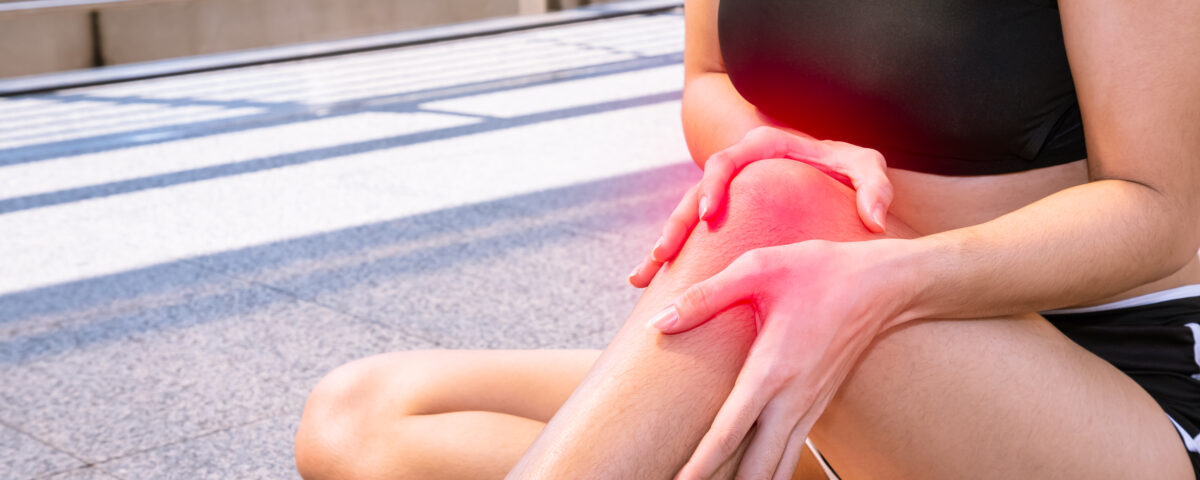
Knee pain is a common affliction among marathon and ultra runners, often manifesting as patellofemoral pain syndrome (PFPS), iliotibial band syndrome (ITBS), or patellar tendinopathy. Understanding the multifactorial causes and implementing evidence-based physiotherapy treatments is crucial for effective management and prevention.
Common Causes and Symptoms of Knee Pain in Runners
1. Foot Biomechanics and Alignment
Abnormal foot mechanics, such as overpronation or supination, can lead to altered lower limb alignment, increasing stress on the knee joint. For instance, excessive pronation may cause the tibia to rotate inward, affecting the knee’s tracking resulting in an accumulation of load at the knee and potentially leading to knee-cap related tracking issues such as patellofemoral pain. As such, discussions around footwear choices as well as an assessment of your feet will be an integral part of your treatment and rehab!
2. Pelvic Stability and Core Strength
Weakness in the gluteus medius and other core stabilizers can result in a collapsed hip posture, known as “hip drop,” leading to increased valgus stress on the knee. This can look like a more “Marylin Munroe” approach to running where there is excessive lateral sway at the pelvis and thus more shearing force at the knee as it struggles to accommodate this instability. This weakness and single leg instability can predispose runners to ITB tightness and dysfunction, internal rotation of the femur and maltracking of the patellar as the pelvis moves excessively.
3. Footwear and Load Distribution
Additionally, how regularly you switch out your footwear is always on our minds! With the distances covered in marathon and ultra training, you may be burning through shoes faster than the average. Inappropriate or worn-out footwear can exacerbate existing biomechanical issues, leading to uneven load distribution across the knee joint. Questions like shoes for training on road vs trail vs longer runs will likely be asked, with most newbie marathon runners usually using the same shoes doe all! Depending on your specific profile we may recommend having more than one pair on rotation, with different shoes tailored specifically for the run ahead. Perhaps you want something gnarlier for the trails, but more cushion for the road? Maybe you’re in a neutral shoe but something anti-pronation is a better fit for you? Properly fitted shoes tailored to an individual’s gait and foot structure are essential for maintaining optimal knee health.
Physiotherapy Treatment Approach
1. Comprehensive Biomechanical Assessment
At City Physio, we will nearly always do a gait assessment if you present with running related knee pain! We will use this to identify biomechanical abnormalities that may be contributing to your symptoms. This assessment may then guide diagnosis, personalised treatment plans and rehab recommendations.
Additionally- we will look at your single leg loading and control. Calf raises, standing weight shifts, single leg squats and even step downs may aid us in building a picture as to what may be occuring 10-30kms into your running. Is it a weakness? A lack of control? Lack of endurance?
When aches and pains crop up long distances into a run, you need a keen eye to look for even the most subtle of biomechanical deficiencies. The tiniest wobble at rep 20 can mean run-ending instability at kilometer 12.
From here we can build a comprehensive hypothesis as to what is going wrong, how to stabilise the dysfunction and how to maintain your kilometers without further aggravating the issues.
2. Targeted Strength Training Programs
At City Physio, our Physiotherapists design individualised strength training regimens focusing not only on the big muscles you are used to- quadriceps, hamstrings, glutes, and core muscles, but we look for the little ones that create efficiency and control! We look at the deep glutes, pelvic stabilisers, obliques, ankle stabilisers and even the shoulder girdle. When it comes to running marathon-and-above distances, even the shoulder carriage can contribute efficiencies and so a whole-body assessment and rehab program is vital in reducing injury risk.
3. Manual Therapy and Soft Tissue Techniques
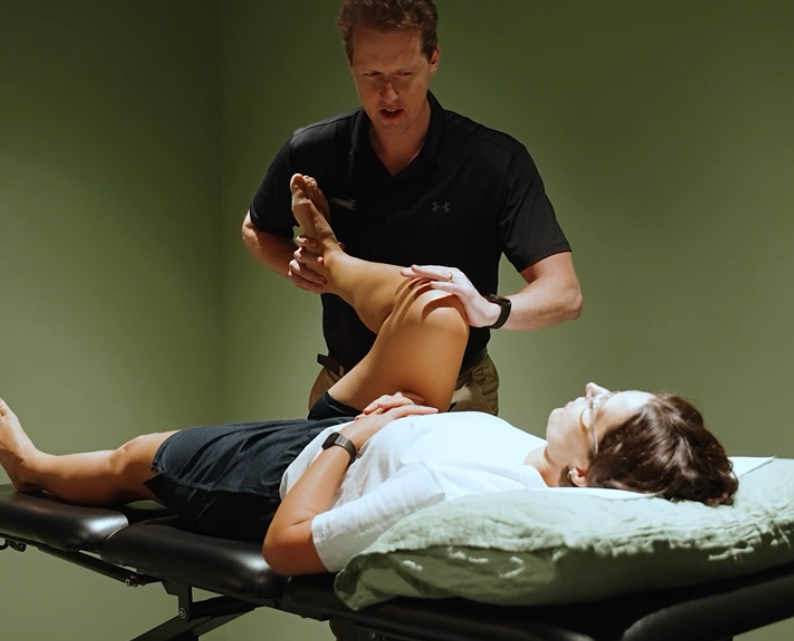
We love manual therapy at City Physio! Hands-on techniques, including joint mobilizations, soft tissue release, dry needling, stretching and tendon frictions are just some of the tools at our disposal. We can use them to assist in pain management, improve recruitment of muscles around the pelvis or knee or improve joint stiffness throughout the kinetic chain.
Post-Run Recovery Strategies
Effective recovery is vital for preventing knee pain and promoting tissue repair. Recommended strategies include:
-
Stretching and Foam Rolling: To release muscle tightness through the upper back and hips, and improve flexibility
-
Cold Therapy: Applying ice packs may be effective in reducing inflammation and swelling when the knee is acutely painful
-
Compression Garments: Some find that utilising compression sleeves to support the knee is beneficial for pain and post-run swelling management
-
Active Recovery/ Cross training: Engaging in low-impact activities like swimming or cycling to maintain fitness without stressing the knee. Pilates and strength training are often perfect non-running compliments to building resilience and control in the lower body
-
Controlled Kilometers: We often recommend not ceasing running, but controlling the kilometers and frequency. Running with pain at 3/10 is often ok, but keeping the cadance, distance and intensity under control to make sure this pain doesn’t jump up is important for a sustainable running program. We can recommend pre-run strategies such as specific warm ups or taping techniques that may assist with your pain, avoiding stairs or flatter terrain. Perhaps running on non-consecutive days is a better plan for you.
If your pain is quite severe we at times we may recommend 1-2 weeks off running with a gradual return. -
Sufficient Rest: When training for marathon or ultra events it is imperative that sufficient rest is factored in. Endurance training can be incredibly stressful on the body- when too much stress accumulates it can have a pro-inflammatory effect, perpetuating the pain/inflammation cycle.
Seeking Physiotherapy Treatment in Sydney CBD
For marathon and ultra runners experiencing knee pain, consulting with a physiotherapist in Sydney’s CBD can provide comprehensive care tailored to individual needs. City Physio offers expert services for runners, including biomechanical assessments, strength training programs, and personalized rehabilitation plans. We often integrate our Physiotherapy with a comprehensive Pilates program which can allow for supervised rehab and cross training.
The earlier the better! The quicker you see us in your injury journey, the faster we can get you back on your feet! Not only will we address your existing knee pain but also equip you with the tools and knowledge to prevent future injuries.
Knee pain in marathon and ultra runners is multifactorial, often stemming from issues related to foot biomechanics, pelvic stability, strength deficits, training loads and footwear choices.
An evidence-based physiotherapy approach encompassing comprehensive assessments, targeted interventions, and personalized recovery strategies is essential for effective management and prevention.