
Arthritis on top of the foot: causes, symptoms and physiotherapy treatment
If you’re feeling pain, stiffness, or swelling on the top of your foot, particularly when walking, climbing stairs, or first thing in the morning, you may be dealing with foot osteoarthritis. This condition is a common yet often overlooked source of foot and ankle pain, especially in those over 40 or with a history of foot injuries.
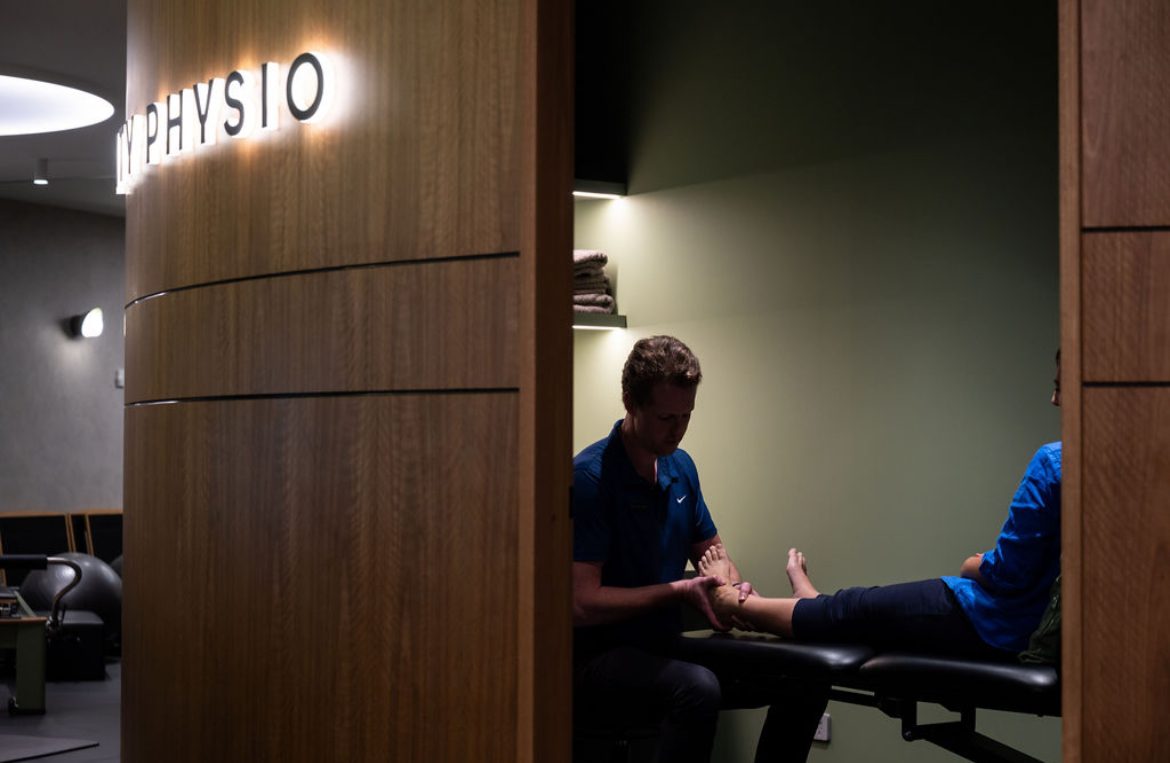
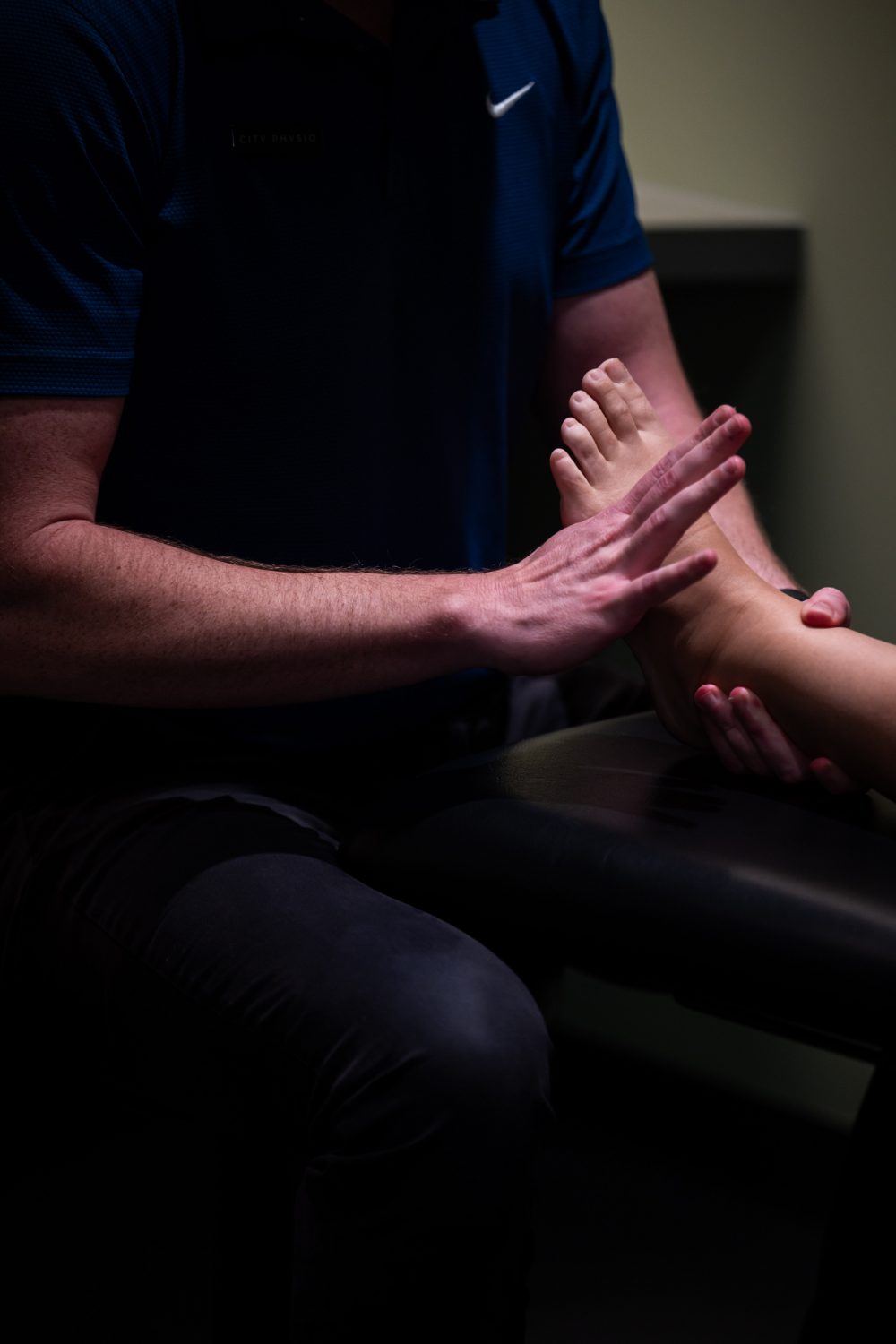

At City Physio & Pilates in the Sydney’s CBD, we help people manage foot arthritis with personalised physiotherapy, hands-on treatment, and targeted exercise programs designed to reduce pain and preserve mobility.
What is arthritis on top of the foot?
Foot osteoarthritis, also known as degenerative arthritis of the midfoot, typically affects the joints between the:
- Second and third metatarsals (long bones of the foot)
- Cuneiform bones (small bones on top of the foot)
- Navicular bone and talus (in the ankle)
These joints absorb a significant amount of stress with every step, especially during:
- Running or jumping
- Prolonged walking or standing
- Wearing stiff or unsupportive shoes
- Repetitive trauma from sports or ankle sprains
Over time, the cartilage protecting these joints wears down, causing inflammation, stiffness, and pain, most commonly felt as discomfort on top of the foot or around the midfoot arch.
Common symptoms of midfoot osteoarthritis
- Aching or burning pain on top of the foot or midfoot
- Stiffness when getting out of bed or after long periods of sitting
- Swelling across the foot, especially with activity
- Difficulty standing, walking, or running for long periods
- Bony lumps or bone spurs (osteophytes) on the top of the foot
- Trouble fitting into regular shoes
If left untreated, midfoot arthritis can lead to joint instability, gait changes, and compensation pain in the knees, hips or back.
Why physiotherapy is essential for foot arthritis
At City Physio & Pilates, our physiotherapists provide a non-invasive, drug-free approach to managing arthritis symptoms and improving joint function.
Your physiotherapy session may include:
Detailed joint assessment
Range of motion, strength, foot mechanics, and walking pattern
Hands-on techniques
Gentle joint mobilisation to improve movement and reduce stiffness
Tailored exercise program
To strengthen foot and ankle muscles and support joint function
Foot taping or bracing
To offload painful joints and improve alignment
Dry needling or soft tissue release
To ease surrounding muscle tightness and inflammation
Footwear and orthotic advice
To reduce impact and improve support
We also assess biomechanics from the hips down, as weakness or imbalances in the knees, hips or pelvis can place excess pressure on the foot.
Long-term management: exercise and maintenance physio
Just like brushing your teeth, regular movement is essential for joint health. Our physiotherapists will create a home exercise program focusing on:
- Toe and arch control
- Ankle stability
- Balance and proprioception
- Calf and hamstring flexibility
Ongoing physiotherapy every 4–6 weeks can help reduce flare-ups, keep your joints moving freely, and adjust your exercise program as your needs change.
Do you have osteoarthritis in the foot or ankle?
You don’t need to wait for your symptoms to get worse. If you’re experiencing persistent top-of-foot pain, don’t ignore it. Early assessment and treatment may help slow the progression of arthritis and could improve your quality of life. Simple modifications to shoes, foot and ankle movement and exercise recommendations could help your pain.
Common questions
What is arthritis on top of the foot?
Foot osteoarthritis, also known as degenerative arthritis of the midfoot. Over time, the cartilage protecting the midfoot joints wears down, causing inflammation, stiffness and pain.
What can aggravate it?
Running or jumping, prolonged walking or standing, wearing stiff or unsupportive shoes, and repetitive loading.
What might a physiotherapy session include?
A detailed joint assessment, gentle hands-on joint mobilisation, a tailored exercise program, foot taping or bracing, dry needling or soft tissue release, and footwear and orthotic advice.
How often would I need maintenance physio?
Ongoing physiotherapy every 4–6 weeks can help reduce flare-ups, keep your joints moving freely, and adjust your exercise program as your needs change.
Related services
Foot arthritis often travels with other problems.
Book an appointment with an experienced Sydney CBD foot physiotherapist
At City Physio & Pilates at 25 Martin Place, we’ve been helping patients manage foot and ankle arthritis since 1978. Our team delivers comprehensive, evidence-based physiotherapy tailored to your lifestyle and activity goals.
hello@cityphysio.com.au
Shop 10, Level 6, 25 Martin Place, Sydney NSW 2000